
Flooding is one of the most significant and growing risks facing UK property owners. More than 6 million properties in England are now at risk, and with the effects of climate change accelerating, the frequency and severity of flood events continue to increase.
Whether from surface water, sewer surcharge, or fluvial sources, the impacts are not limited to physical damage – they include business interruption, financial loss, and emotional distress. That is why Urban Water and Harris Balcombe have partnered to deliver this essential, actionable guide – combining engineering and financial expertise to help you prepare, protect, and recover with confidence.
Know Your Flood Risk
Effective preparation begins with understanding your specific exposure. Use the Urban Water Flood Risk Map to assess your property’s vulnerability. Consider the following sources of flooding:
- Surface water flooding – especially prevalent in urban areas with limited drainage capacity
- River and coastal flooding
- Groundwater and sewer flooding
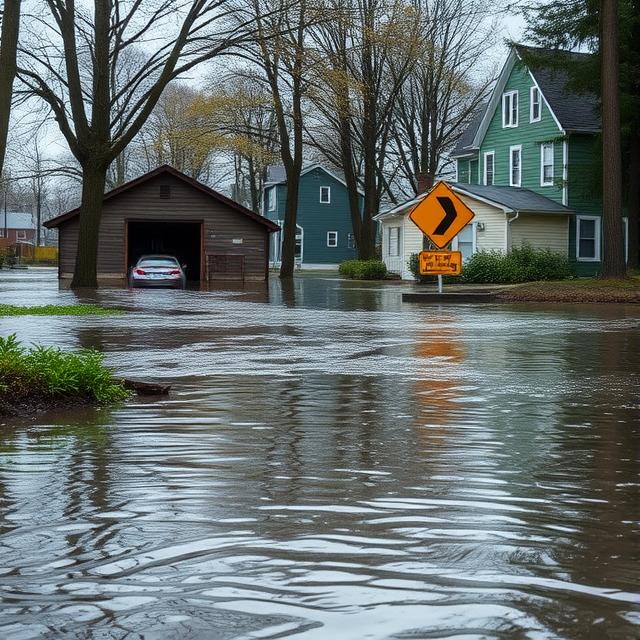
Professional Insight: Properties with basements, paved gardens, or situated on low ground are particularly susceptible. A site-specific assessment by a flood engineer is strongly advised.
Property-Level Protection: Actions You Can Take Now
Once you’ve assessed the risk, it is essential to implement proportionate and effective flood resilience measures. These may vary depending on the type and use of the building, but they can significantly reduce both the scale of damage and the cost of recovery.
For Residential Properties:
- Install flood barriers or demountable door dams
- Fit air brick covers and non-return valves on drainage outlets
- Relocate important documentation and valuables above potential flood levels
- Raise electrics and white goods where feasible
For Commercial Premises:
- Elevate critical infrastructure (e.g. IT servers, switchboards)
- Use waterproof containers for stock and important documents
- Ensure flood events are covered in business continuity planning
- Back up all critical data to secure, off-site storage
Industry Note: The Environment Agency estimates that properly implemented resilience measures can reduce flood repair costs by up to 73%.
Insurance: Review, Update and Understand Your Cover
Even the best flood defences cannot eliminate risk entirely – comprehensive and appropriate insurance is essential.
Key Questions:
- Does your policy explicitly include flood damage?
- Are both buildings and contents adequately insured?
- Have you notified your insurer of any flood resilience improvements?
- Are receipts, inventories and photos of insured items stored securely?
Expert Tip: Underinsurance is one of the most common reasons for reduced or refused claims. Ensure your cover reflects full rebuild and reinstatement costs, not just market value.
Incident Response: What to Do During and After a Flood
Clear, immediate action in the event of a flood is critical. Following a defined response plan helps to minimise risk to life, damage to property, and delays to recovery.
If Flooding Is Anticipated:
- Isolate electrical and gas supplies if safe to do so
- Move people, pets, and valuables to the upper floors
- Deploy flood barriers and temporary protection systems
- Avoid driving through floodwaters under any circumstance
Post-Flood:
- Document all damage thoroughly (photos, video) before beginning any cleanup
- Retain damaged items until your insurer confirms they may be disposed of
- Contact Harris Balcombe for claims support
- Request a drainage and structural assessment from Urban Water
Having professional support during recovery can significantly reduce stress, speed up claims, and improve outcomes.
Download: Flood Preparedness Checklist (Free PDF)
To help you get started, we’ve created a free, easy-to-use Flood Checklist – combining years of engineering and insurance know-how into one practical tool.
- Tick off what you’ve already done
- Identify urgent gaps
- Prepare your family or staff
If you check six or more boxes from this flood checklist, it might be time to take further action.

Let’s Help You Get Ahead of the Next Storm
Floods can’t always be predicted — but preparation can turn chaos into control. Whether you need to upgrade your property’s resilience or ensure your policy protects you fully, Urban Water and Harris Balcombe are here to help.


